Clearing for food plots
We clear brush and small to medium trees for food plots, with the mulcher or the brush hog. You get an open site ready to work and plant.
A good fit when you have
- Openings cut into woods or thick brush
- Old fields and clearings that have grown over
- Field corners and edges you want to enlarge
- Small remote plots along trails and lanes
What you get
- The site cleared to the size and shape you mark
- Mulch or cut growth left on the ground
- Stumps cut low. Tell us if you need more done before planting
- A plan that fits when you want to plant
Good to know
- We clear. Tilling, liming, seeding and planting are for you or your ag contractor.
- Stumps and roots left in the ground affect how you work the plot. We will tell you what to expect.
- Sun matters. Tell us how big an opening you want and we will help you place it.
- Plan ahead of planting time, because clearing comes first.
See the difference
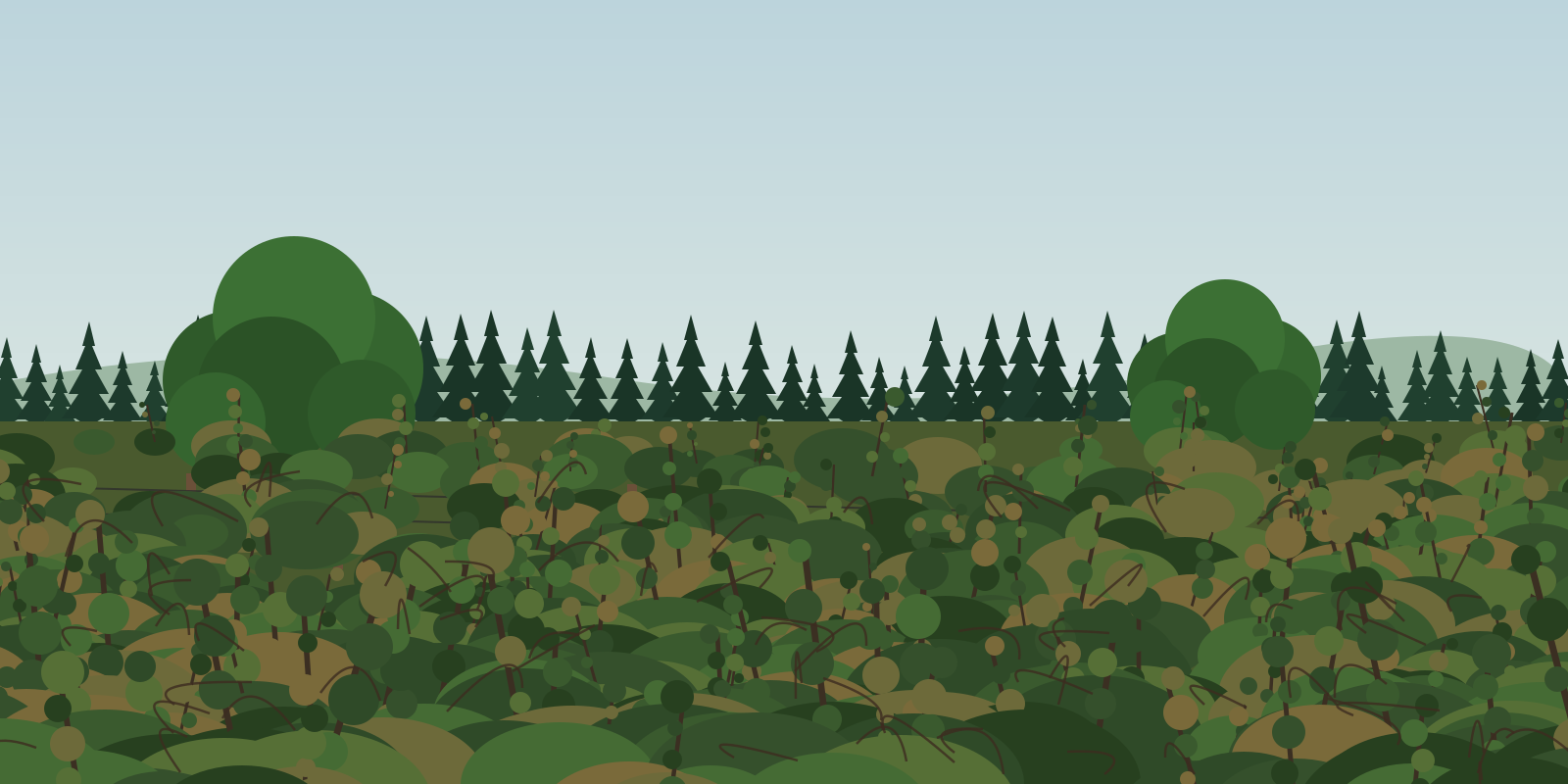
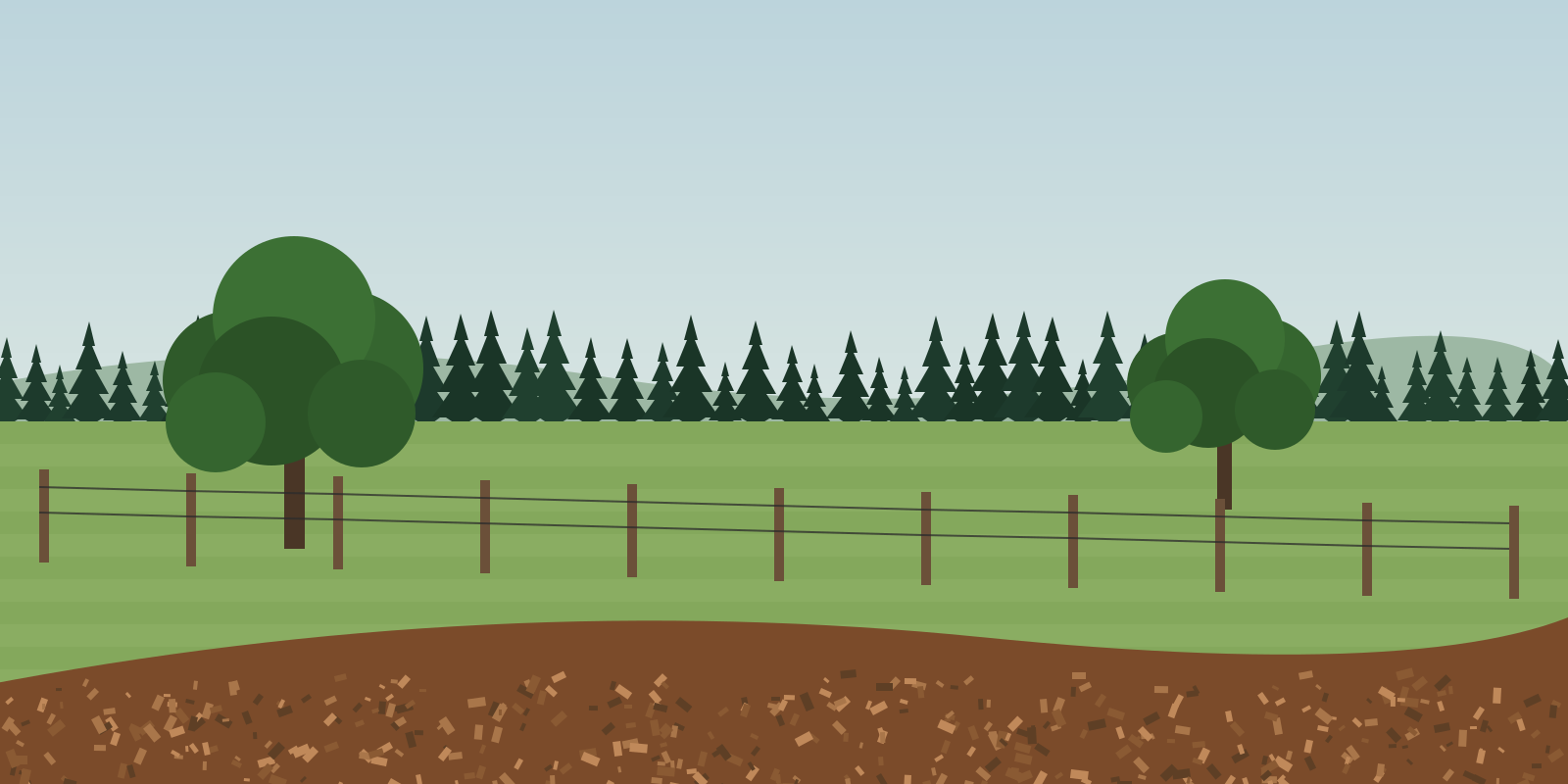 BeforeAfter
Common questions
How is forestry mulching different from traditional land clearing?
Traditional clearing usually means a dozer or excavator pushing trees and brush into piles, then burning them or trucking them off. That takes more equipment and more days, and it scrapes up the soil. Mulching works in place: one compact track loader with a drum head cuts the growth and chips it onto the ground. You skip the burn piles, the burn permits and the hauling, and the topsoil stays where it is. Forestry mulching also tends to cost much less than traditional land clearing.
How much does it cost?
There are no flat rates. Every property is different, so we walk it with you for free and give you a written quote. Acreage, how thick the growth is, tree size, terrain and access all affect the price.
Are you insured?
Yes, fully insured. Ask and we will send a certificate.
What happens to the mulch?
It stays on the ground. It covers the soil, slows erosion and breaks down over time. Most people leave it in place. If you want it hauled off, ask and we will quote it.