Land clearing for overgrown acreage
Old homesteads, hunting land, building sites, trails and views. If brush took it, we can open it back up with a drum mulcher and a brush hog.
A good fit when you have
- Acreage you bought that is solid brush
- Hunting land that has lost its trails and shooting lanes
- Old home sites and driveways grown shut
- Lots being cleared for a build, a pond or a pole barn
What you get
- A walkthrough where you tell us what you want back
- Clearing done to the boundaries and trail lines you mark
- Select trees left standing where you want them
- A clean, open surface covered in mulch
Good to know
- Property lines matter. Flag your corners or share a survey before we start.
- We clear and mulch. We do not pull stumps or do site prep for a building pad.
- Wet ground and steep slopes change how we work. We will tell you what is realistic.
- If you want to keep timber value, tell us before any cutting.
See the difference
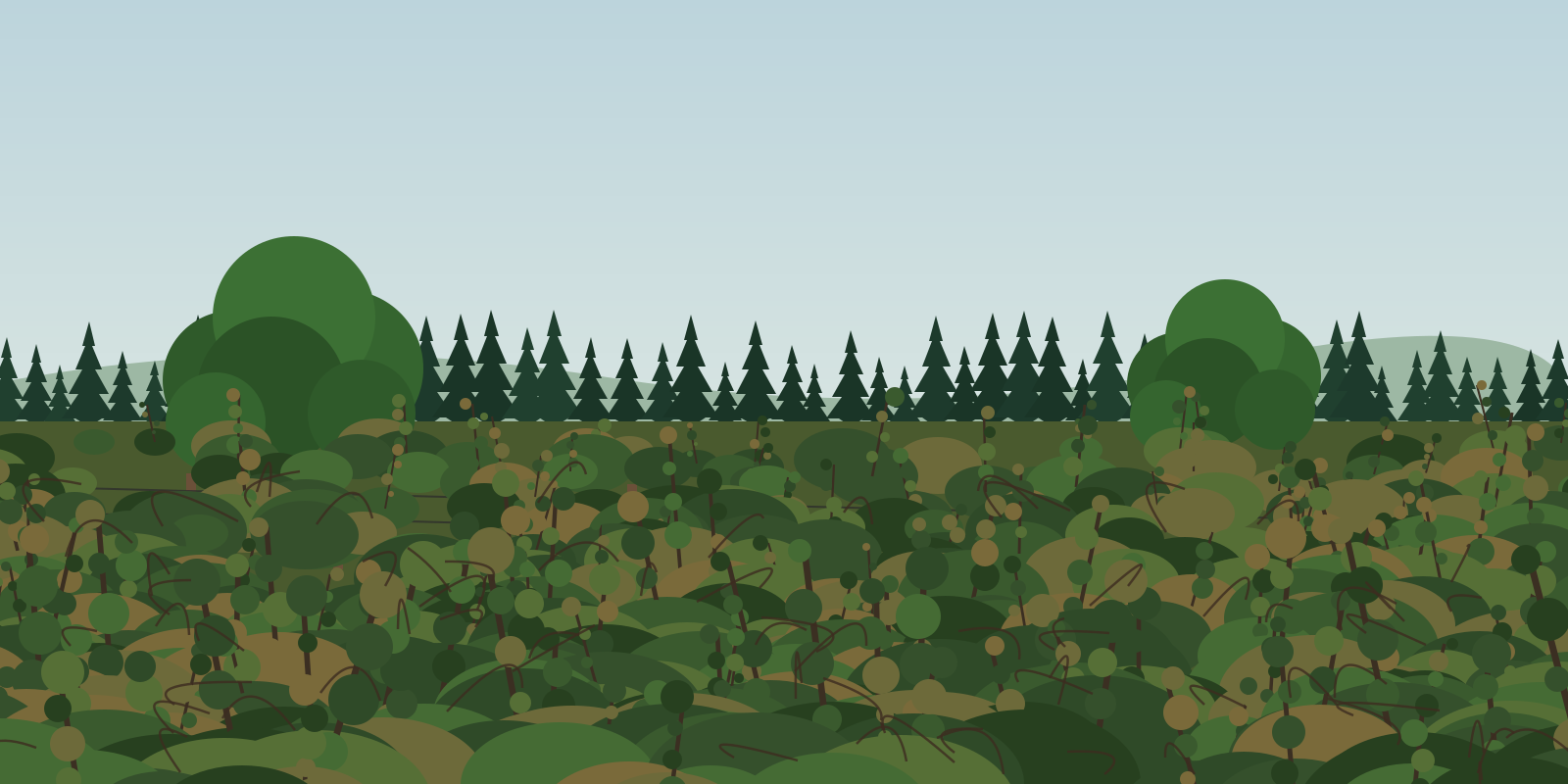
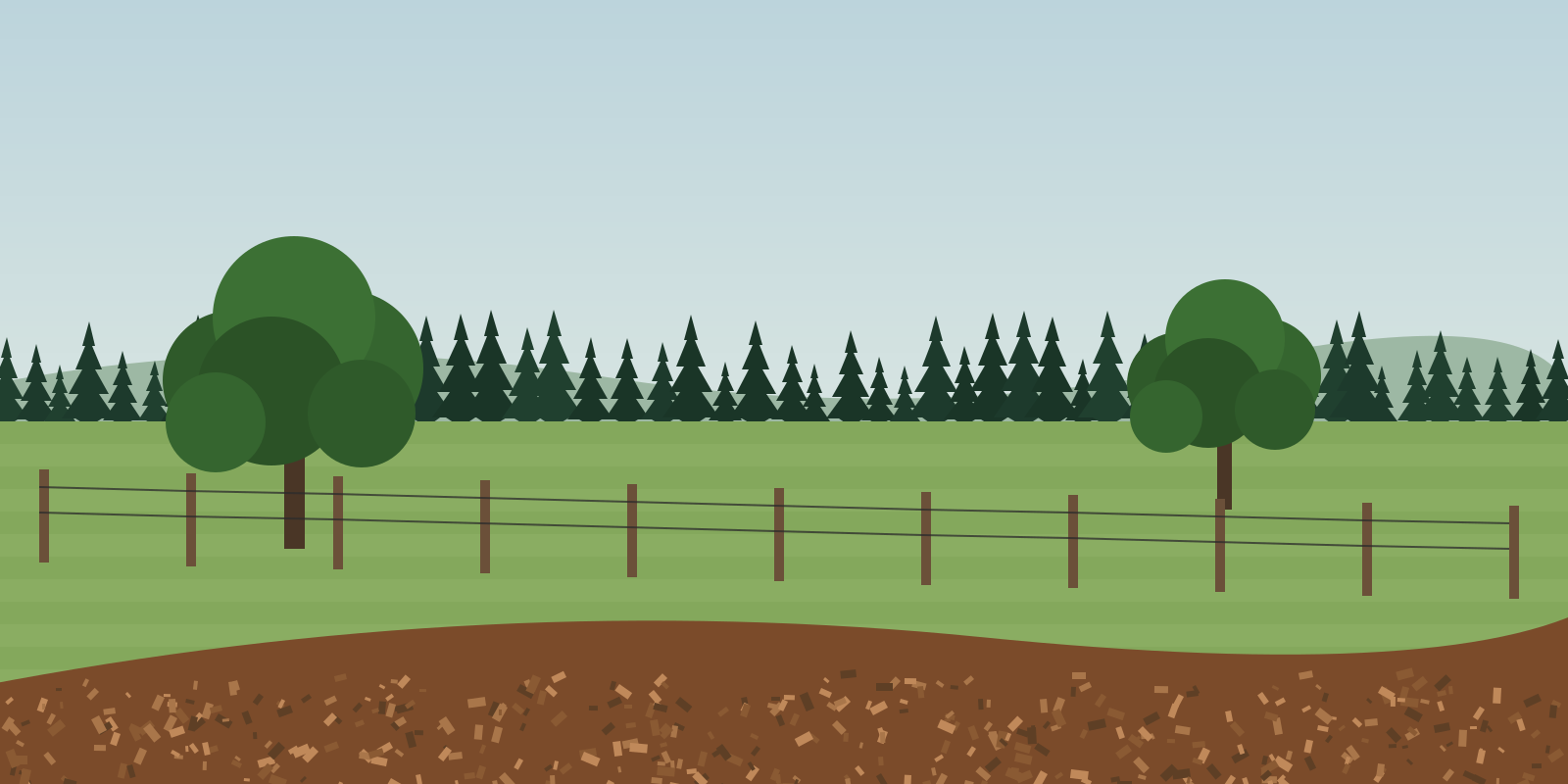 BeforeAfter
Common questions
How is forestry mulching different from traditional land clearing?
Traditional clearing usually means a dozer or excavator pushing trees and brush into piles, then burning them or trucking them off. That takes more equipment and more days, and it scrapes up the soil. Mulching works in place: one compact track loader with a drum head cuts the growth and chips it onto the ground. You skip the burn piles, the burn permits and the hauling, and the topsoil stays where it is. Forestry mulching also tends to cost much less than traditional land clearing.
How much does it cost?
There are no flat rates. Every property is different, so we walk it with you for free and give you a written quote. Acreage, how thick the growth is, tree size, terrain and access all affect the price.
Are you insured?
Yes, fully insured. Ask and we will send a certificate.
What happens to the mulch?
It stays on the ground. It covers the soil, slows erosion and breaks down over time. Most people leave it in place. If you want it hauled off, ask and we will quote it.